Best Product Categories for Amazon Influencers: 9 Niches to Explore
Discover the best product categories for Amazon influencers to promote, attract shoppers, and create engaging content that drives sales.

Your Amazon content is more likely to connect with shoppers when it solves a recognizable problem and demonstrates why the product is worth considering. Some Amazon categories make this easier because shoppers already understand the need, have plenty of options to compare, and can see the product’s value in a short demonstration.
This guide helps you identify product categories that suit demonstration-based content, assess potential risks, and choose a category that fits your audience and content style. You will also see simple compliance tips so your recommendations are transparent and trustworthy.

TL;DR
Start with categories you can clearly demonstrate in a video, especially products that shoppers replace, replenish, or upgrade over time.
Favor mid-price items with clear benefits. Avoid tricky returns and fragile products until your process is dialed in.
Disclose relationships clearly and follow Amazon’s Influencer and Associates policies
How to Pick a Profitable Category
Categories that work well for many Amazon Influencers often have clear use cases, ongoing demand, understandable pricing, and manageable return risks. Products that fix a small pain point, save time, or make daily life easier tend to outperform. If you can show the benefit on camera in seconds, you're going on the right track.
Consider how each category fits your Amazon monetization strategy. Influencers earn through the Amazon Associates framework, and commission rates vary by category and can change. Check Amazon’s current Commission Income Statement before you plan a campaign around a particular category or rate.
Amazon uses a separate Onsite Store ID to track eligible content it places on Amazon. In contrast, the Store IDs connected to links you share externally track the traffic you send to Amazon. Use that distinction when reviewing your reports to separate earnings from Amazon-placed content and from traffic you generated yourself.
Here's a quick decision helper you can skim before choosing your next niche.
Category Type | Why It Works | Best Content Angle | Buyer Mindset |
Everyday Essentials | Replenishment can create repeat demand | Compare sizes, scents, pack value | Need it now, minimal research |
Kitchen & Home Organization | Easy visual wins; broad household appeal | Before/after, quick demos, bundles | Practical upgrade, under-10-minute fix |
Beauty & Personal Care | Discovery-friendly; small luxuries | Routine walkthroughs, shade matching | Comparing routines, features, and value |
Tech Accessories | High attach rate to devices | Fit checks, durability tests | Protect/upgrade what I own |
Fitness & Wellness | Goals-driven; many price points | Product demonstrations, setup tips, and storage | Self-improvement, habit building |
Baby & Kids | Safety and convenience drive buys | Setup guides, what-to-pack lists | Trust and clarity first |
Pet Supplies | Loyal repeat purchases | Mess solutions, enrichment ideas | Love for pets, quick solve |
Hobbies & Crafts | Passion-driven; tutorial-friendly | Step-by-steps, starter kits | Learn-by-doing, value packs |
Seasonal & Gifting | Timely spikes; curated lists win | Theme bundles, stocking stuffers | Deadline-driven, quick confidence |
Top Product Categories That Consistently Perform
When you choose categories that suit your audience and content format, you can focus your research and create more useful recommendations. As you compare the categories below, consider which products you can test personally, explain accurately, and feature repeatedly without making your content feel repetitive.
1. Everyday Essentials
Consumables like cleaning wipes, filters, batteries, coffee pods, and pantry basics convert because shoppers need them now. Keep your videos focused by showing the packaging, testing one relevant feature, and explaining quantity or value where appropriate. Essentials are low-drama on returns, and small cart adds stack up over time.
2. Kitchen & Home Organization
Drawer dividers, cabinet risers, pantry bins, magnetic racks, and handheld gadgets shine in short demos. A clear before-and-after demonstration helps shoppers see how the product changes the space. Grouping related products in one Idea List or video can help viewers plan a complete organizational project rather than evaluating each item separately.
3. Beauty & Personal Care
Skincare, hair tools, grooming devices, and travel-size products can support discovery content because their features and routines are easy to demonstrate visually. Explain who it is for, how much to use, and realistic results. Viewers reward honest shade matching and routine building. Be careful with medical claims. Stick to benefits you can show or quote from official product info.
4. Tech Accessories
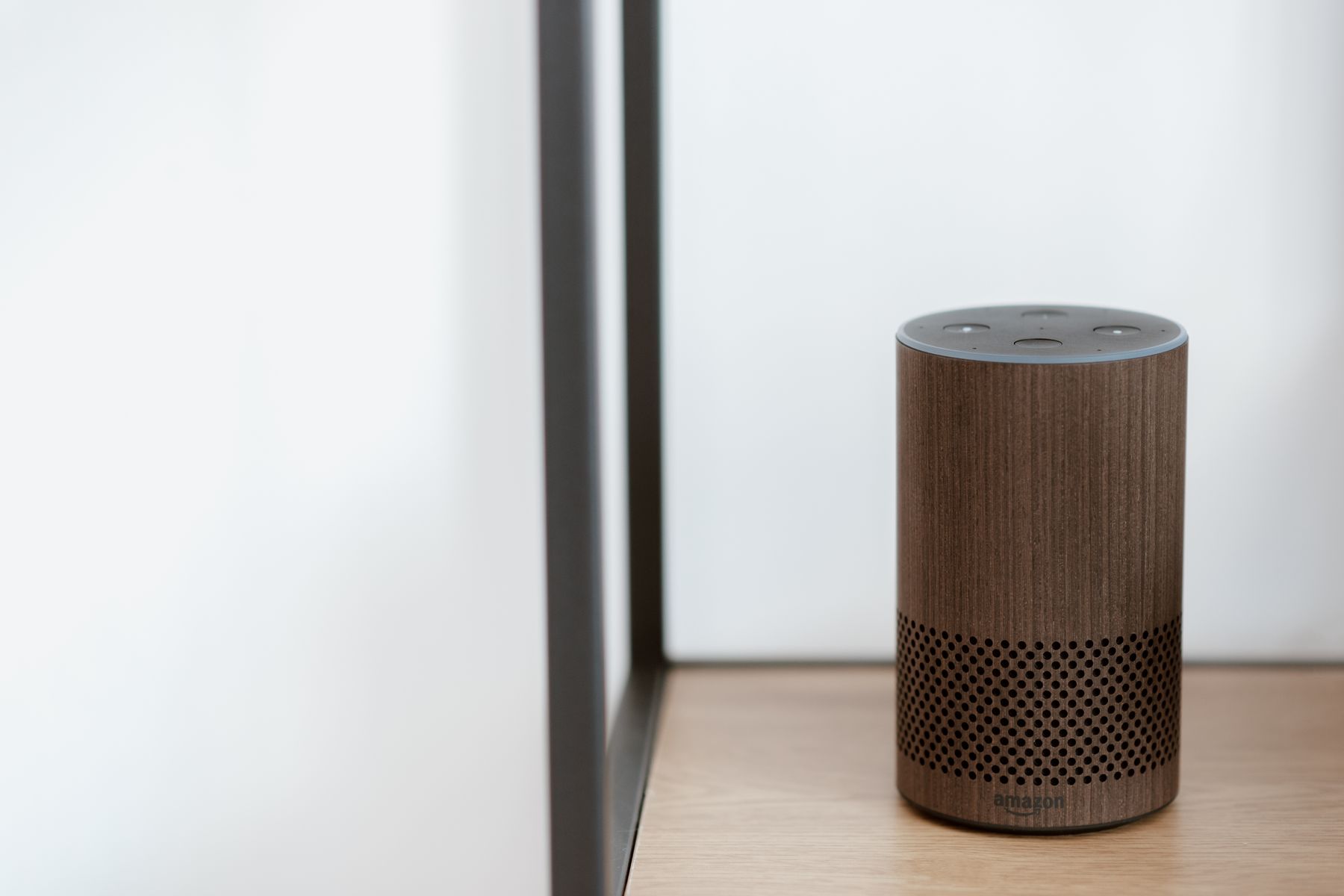
Phone cases, screen protectors, chargers, mounts, SSDs, webcams, and microphones attach to devices people already own. Do fit checks by model, show ports up close, and add a simple drop or scratch test when safe to do so. Tech accessories date quickly. Refresh content with new device cycles.
5. Fitness & Wellness
Resistance bands, yoga mats, dumbbells, massage devices, and recovery accessories can support home fitness and general wellness routines. Show how you set up and use the product, and direct viewers to the manufacturer’s instructions for safety limits and proper technique. Equipment that stores neatly or travels well earns extra clicks from small-space users.
6. Baby & Kids
White-noise machines, babyproofing products, bottle brushes, stroller organizers, and family travel accessories can address common organizational and convenience needs. Walk through setup and cleaning. Emphasize safety features visible on camera and clearly list age ranges.
7. Pet Supplies
Slow-feeder bowls, grooming gloves, odor control, travel leashes, puzzle toys, and cat shelves appeal to loyal owners. Show the product in use with a pet, then give a one-line cleanup or storage tip. Many items are replenished or rotated, leading to recurring sales.
8. Hobbies & Crafts
Starter kits, brush sets, cutting mats, filament, and portable sewing tools convert when paired with a mini tutorial. Show the first 60 seconds of a project to build momentum. Create a complete supply list so viewers can identify any additional materials they may need.
9. Seasonal & Gifting
Organize your calendar around holidays, back-to-school, dorm move-in, and weather shifts. Curated lists like “Stocking Stuffers Under $20” or “Teacher Gifts That Travel” remove decision fatigue. Review your titles, thumbnails, product availability, and Idea Lists before each seasonal campaign so the content remains timely and accurate.
What to Avoid or Treat Carefully
Protection against high-return items saves your brand reputation and prevents endless customer service headaches.
High-return niches: Fitted apparel, complex smart-home systems, and anything sized with guesswork can generate refunds and comments you must manage.
Fragile or bulky items: Shipping damage and assembly headaches can overwhelm support DMs.
Restricted or sensitive products: Review Amazon policies and avoid categories that need approvals or raise compliance flags.
Hype-only gadgets: If you cannot show a concrete benefit, your conversion window shrinks fast.
Examples
The examples below show how you could turn a broad product category into a focused, repeatable content series.
Home Organization Videos That Build Your Storefront
An Amazon Influencer focuses on affordable home organization products like drawer dividers, storage bins, shelf risers, and under-sink organizers. Instead of simply showing the product, each video demonstrates how it works, how much it holds, and whether it's worth buying.
The influencer groups related products into a dedicated Home Organization Idea List on their Amazon Storefront. As shoppers browse storage products on Amazon, the videos help answer common buying questions and can earn commissions whenever they influence a purchase.
Beauty Product Reviews Shoppers Can Trust
A beauty-focused Amazon Influencer reviews skincare and makeup products sold on Amazon by demonstrating the texture, packaging, application, and results they personally experienced. They also compare similar products within the same price range so shoppers can decide which option best fits their needs.
Related products are organized into Storefront Idea Lists such as "Everyday Skincare" or "Sensitive Skin Favorites." Because shoppers are already considering a purchase on Amazon, clear demonstrations and honest opinions help build credibility while increasing the likelihood of qualifying purchases.
Actionable Steps / Checklist
Use this checklist to turn your category research into a focused test you can measure and refine.
Choose one category from the table and plan a small test series, such as five to ten videos with consistent goals and formats.
Use a repeatable structure that introduces the problem, demonstrates the product, and explains the result without unnecessary filler.
Choose mid-price items with simple sizing and low breakage risk.
Build a focused Idea List for each major content theme and review it regularly for availability, relevance, and duplication.
Record fit checks or live demos. Avoid stock-only visuals.
Place an easy-to-understand disclosure where viewers will see or hear it with the endorsement, including within videos when appropriate.
Refresh top performers when new colors, bundles, or device models drop.
Compare your onsite and offsite reports to determine which products, formats, and traffic sources contribute to qualifying purchases.
Prune underperformers from lists to reduce decision fatigue.
Review Amazon’s current commission statements regularly and before planning a campaign around a particular category.
How Viral Vue Can Help You Validate and Scale Your Niche
Choosing the right product category is only the first step. As your Amazon Influencer business grows, it becomes harder to keep track of which products you've reviewed, which videos perform best, and which opportunities are worth pursuing next.
Viral Vue helps Amazon Influencers organize their workflow by bringing product research, campaign planning, Storefront management, and performance tracking into one place. Instead of relying on spreadsheets or switching between multiple tools, you can manage your content pipeline more efficiently while keeping an eye on what's working.
Whether you're testing a new niche like kitchen organization or expanding into beauty, tech accessories, or pet products, Viral Vue makes it easier to:
Research products with strong content potential.
Organize upcoming videos and product campaigns.
Track Storefront performance and video results.
Identify opportunities to expand successful content series.
Stay organized as your Storefront and content library grow.
The insights you gather can help you make better decisions about which categories deserve more attention, allowing you to spend more time creating helpful product videos instead of managing your workflow.

Glossary
Understanding these terms will help you interpret Amazon reporting, organize your content, and explain affiliate relationships more accurately.
Affiliate Link: A tracked URL that attributes qualifying purchases to your account and earns you a commission.
Clear and Conspicuous: A disclosure standard that means easy to notice and understand in the same context as the endorsement.
Commission Income Statement: Amazon’s document that lists how commission is calculated and category rates.
Idea List: A curated collection on your Amazon Storefront that groups related products for quick browsing.
Onsite Store ID: A separate Store ID used to track qualifying earnings associated with eligible Influencer content that Amazon uses in its own shopping experience.
Return Risk: The likelihood that a product will be returned, affecting satisfaction and future conversions.
Replenishable: A product that shoppers may purchase repeatedly as it is used up, such as filters, cleaning supplies, or personal-care products.
Storefront: Your public page on Amazon where followers can browse your recommendations.
FAQ
Q: What price range converts best on Amazon? A: There's no universal best range. Moderately priced items may require less consideration, while higher-priced products can perform well when your content answers detailed questions and demonstrates meaningful value.
Q: Should I chase higher commission categories? A: Don't choose a category based on commission rate alone. Consider audience relevance, product demand, content quality, return risks, and Amazon’s current standard or onsite rate.
Q: Do I need to disclose every time? A: Disclose whenever a material connection could affect how viewers interpret your endorsement, including commissions, free products, payments, or certain personal and business relationships.
Q: What is the difference between Influencer and Associates? A: The Influencer Program extends Amazon Associates with creator tools such as a Storefront. Amazon also uses a separate Onsite Store ID to track qualifying earnings connected with eligible content it features on Amazon.
Final Thoughts
The right product category makes it easier to create helpful videos that answer shoppers' questions and build a Storefront people trust. Start with a niche you can demonstrate confidently, publish consistently, and refine based on performance over time.
As your content library grows, tools like Viral Vue can help you stay organized, monitor what's working, and identify new opportunities so you can scale your Amazon Influencer business more efficiently.


Stop Guessing What to Post Next
Join TikTok Affiliates turning views into consistent commissions.