How To Become An Amazon Influencer With No Followers
No followers? No problem. Learn how to build the minimum signals Amazon looks for and take the fastest path to becoming an Amazon influencer.
Feb 17, 2026
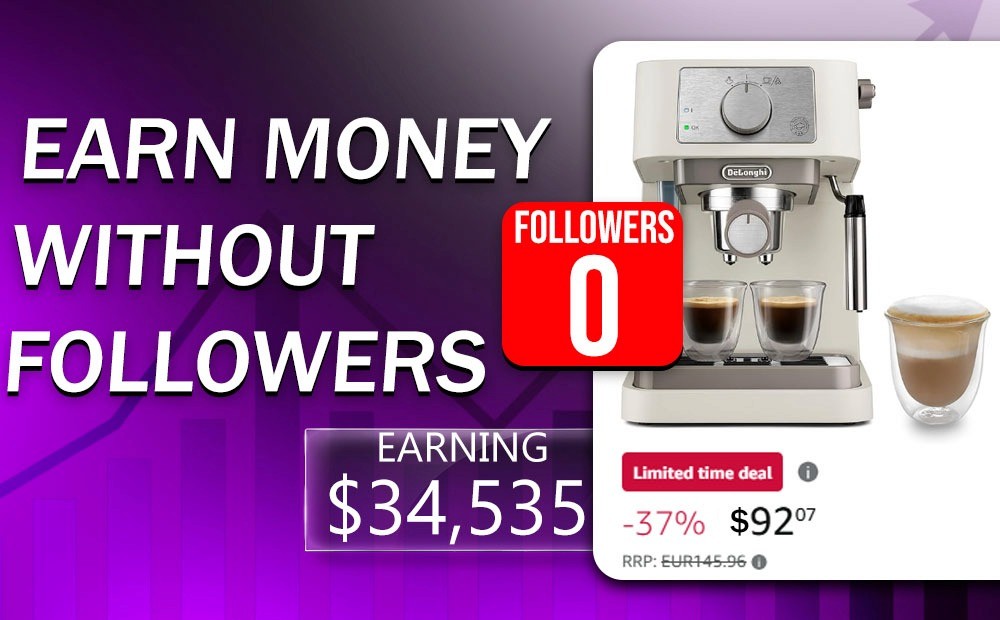
Starting from scratch is common, but you’ll usually need at least a small, visible audience signal for Amazon to review. Amazon describes influencers as people with a meaningful social media following, even though it does not publish an exact minimum. Focus on helpful product content and consistent engagement signals, not just big numbers.
This guide shows a fast, practical path from zero to accepted. You will learn how to set up a lightweight presence, what to post first, how to apply, and how to stay compliant so your account lasts.
TL;DR
You don’t need a huge audience, but you typically need a public, active social account with some visible traction that Amazon can review.
Build a small, focused presence quickly, then apply through the Amazon Influencer Program portal.
If you are truly starting from scratch, consider joining Amazon Associates first while you grow.
After acceptance, publish useful videos, photos, and Idea Lists on your Storefront to unlock onsite exposure and earnings.
Whenever you share Amazon affiliate links, include (1) a clear disclosure people understand (like “affiliate link”/“ad”) and (2) Amazon’s required Associate identification statement (like “As an Amazon Associate I earn from qualifying purchases.”).
What the Amazon Influencer Program Is
The Amazon Influencer Program is an extension of Amazon Associates (the affiliate program) built for creators who recommend products on social media. You get a customizable Storefront on Amazon and a vanity URL (amazon.com/shop/yourhandle) to send people to your picks. The program sits on top of Associates, so you still create affiliate links and get standard reporting. Amazon describes these differences in its help center.
Amazon may also show your shoppable photos, videos, Idea Lists, and livestreams directly on Amazon. When eligible content appears on Amazon and helps a shopper buy, you can earn onsite commissions tracked under a separate Store ID. Amazon explains onsite earnings and where they appear in your reporting.
Once you’re publishing review content, Viral Vue can help you find product opportunities and track placements so you can focus on reviews most likely to earn.
Can You Get In With No Followers?
Short answer: You need a social account that shows real activity and engagement signals. Amazon reviews your presence and does not publish a follower minimum, but it describes influencers as having a meaningful social media following.
The application typically asks you to connect a qualifying social profile so Amazon can evaluate it. Because exact thresholds are not public, focus on quality, clarity, and consistency in a tight niche rather than raw size.
If you’re starting from zero, the quickest path is to create one focused channel and post a batch of helpful content until you have visible engagement signals (views, saves, comments, shares), then apply. That gives Amazon something real to assess.
Fast Path From Zero to Accepted
This accelerated timeline helps you build a review-ready public account quickly so you can apply with the best possible chance of success.
Pick a narrow niche you can support weekly. Examples: small apartment cooking gear, budget home office, beginner fitness, travel carry-ons.
Create one public account on a short-form platform where you can publish often. Keep your bio simple: who you help and how.
Publish 15-30 quick, useful videos or posts over the course of a couple weeks and aim for consistent engagement signals (even modest ones) that show real viewers are interacting. Show the product clearly, state who it is for, and demonstrate one benefit in under 45 seconds.
Add plain-English captions with keywords shoppers use. This way, even if people watch the video without sound, they know what it’s about.
Apply to the Amazon Influencer Program using your strongest account. If you are not approved, keep posting steadily and reapply after you have more consistent engagement.
If you’re rejected, keep posting for a few more weeks, improve watch time and saves, then try again with your strongest account.
Associates vs Influencer: Which Path to Start From Zero
If you have no followers, you can start as an Amazon Associate while you build your social presence, then upgrade into an Influencer after you have a bit of traction. Here is a quick comparison.
Factors | Amazon Associates | Amazon Influencer |
Who it fits | Bloggers, new creators, small sites | Social-first creators |
What you get | Affiliate links, reporting, standard commissions | Storefront page + vanity URL; affiliate tools; eligibility for onsite placements |
Content on Amazon | No Influencer Storefront/vanity URL; your content primarily lives on Amazon, and you send traffic via affiliate links | Storefront content may be placed across Amazon; it can include photos, videos, Idea Lists, and livestreams |
Key requirement | Your application is reviewed after you generate at least 3 qualified sales within the first 180 days; if you don’t, the application can be withdrawn/closed | Qualifying social presence: Amazon reviews followers and engagement; exact thresholds are not published |
What to Post First on Your Storefront
Once you initially get accepted as an Influencer, you’ll want to unlock onsite placement. Without unlocking this, you’ll still have a Storefront and can share that with your followers on social media, but Amazon won’t place your videos on their product pages.
To unlock onsite placement, you’ll need to submit 3 videos. Amazon will manually review these and determine whether or not you’re approved to have your videos appear for onsite placement.
If your videos aren’t approved, you have two more chances to resubmit new videos to try to get onsite placement. After that, if your videos are rejected, you’ll need to reapply to the Influencer program altogether
.
Here are some tips to help your 3 videos get approved:
Focus on simple products that you can clearly demo or explain in one minute. Don’t choose overly complicated items that require an in-depth tutorial to properly showcase the product. Examples of easy products are things like a tumbler, a storage basket, a set of clothes hangers, etc.
Keep the videos short. Your videos need to be at least 30 seconds long, and we recommend aiming for 30-90 seconds. Avoid creating videos that are 2+ minutes long, because this gives Amazon more content to essentially critique and reject you for.
Avoid showing any barcodes, QR codes, and personal information (address, license plate, etc). This can result in videos getting automatically rejected.
Use a microphone to improve audio quality, and shoot in a well-lit location, such as near a window with good natural light coming through. Be mindful of the background - when in doubt, just film against a plain colored wall!
Clearly show the product in the video and keep it in the frame throughout. Show all sides of it and demo it being used (if applicable).
Compliance Basics You Cannot Skip
Adhering to these mandatory disclosure and performance rules protects your account from being closed for policy violations.
Disclose every material connection in a way that is clear and hard to miss. Use a disclosure viewers instantly understand (for example: “Ad”, “Sponsored”, or “Affiliate link”). For video, disclose verbally and on-screen, and keep the disclosure close to the recommendation. This follows the FTC’s Endorsement Guides and FAQs.
When you share Amazon affiliate links, also include Amazon’s required Associate identification statement in a clear, prominent place: “As an Amazon Associate I earn from qualifying purchases". Amazon details this language and where to place it.
Follow the Associates Operating Agreement and Participation Requirements, including content rules and where you can place links. Avoid buying followers or using bots. Keep accounts public during review.
If you open an Associates account while you grow, note that your application is reviewed after at least three qualified sales in the first 180 days. Otherwise, the application can be withdrawn/closed.
Examples
These real-world scenarios demonstrate how creators can successfully transition from zero followers or a basic blog into a profitable Amazon presence.
Zero to Storefront in 30 Days
A college grad starts a TikTok account called “First Apartment Fixes” and posts 24 videos over two weeks about items like a mini air purifier, over-the-door hooks, and a compact tool kit. Each video shows the problem first, then a one-minute fix. Views are modest but consistent.
They apply to the Influencer Program with this account, get accepted, and move those products into an Idea List on their Storefront. Over the next month, their top three videos get repurposed for the Storefront, and Amazon later starts showing one video on relevant product pages, generating onsite earnings.
Pivoting From Blog to Social
A hobby blogger in budget fitness opens an Associates account, adds compliant disclosures, and writes three comparison posts that drive the first few sales. While the blog warms up, they launch a YouTube channel and publish quick clips for resistance bands, a doorway pull-up bar, and a foldable bench.
After a few weeks of steady posts, they apply and are accepted into the Influencer Program. They keep using blog content to drive traffic and build out Storefront videos so Amazon can consider them for onsite placements.
Actionable Steps / Checklist
These steps eliminate guesswork by providing a timed schedule for publishing the videos necessary to secure your storefront.
Claim one public social handle that you plan on applying to the Amazon Influencer Program with. This can be through TikTok, Instagram, Facebook, or YouTube.
Publish 15-30 quick, useful videos or posts in 2 weeks; keep each focused on one benefit.
Apply to the Amazon Influencer Program with your account.
If starting with a website or newsletter, open an Associates account and add the required Amazon Associate disclosure and link-level disclosures immediately.
After acceptance, build your Storefront. Create an Idea List per use case, upload clear photos and short demos, and keep posting weekly.
Add disclosures to every post and near every affiliate link. Keep them clear and conspicuous.
Review the Operating Agreement and Participation Requirements quarterly for updates.
Glossary
These industry terms let you navigate the technical requirements and legal obligations of the program with total confidence.
Amazon Influencer Program: An Amazon program for creators with a social presence that provides a Storefront and tools to recommend products.
Amazon Associates Program: Amazon’s affiliate program for publishers and creators who share links and earn commissions on qualifying purchases.
Storefront: Your public page on Amazon where you curate Idea Lists, videos, and photos.
Onsite Earnings: Commissions you can earn when Amazon shows your eligible content to shoppers on Amazon, and a qualifying purchase follows.
Idea List: A curated list of related products on your Storefront, organized around a theme or use case.
Special Link: An affiliate link with your tracking tag used to attribute sales and commissions.
FTC Disclosure: A clear notice that you receive compensation or a benefit, required when you endorse products.
Operating Agreement: The contract that governs an Associate's participation; it incorporates Program Policies and requirements.
FAQ
Q: Do I Need Followers To Join?
A: You need a real, public social account with content Amazon can review. Amazon looks at followers and engagement, but doesn't publish exact thresholds.
Q: Can I Apply Without A Website?
A: Yes, you can apply without a website. The Influencer route evaluates social media. If you have a site or app, you can also join as an Amazon Associate.
Q: Does Amazon Publish A Minimum Follower Count?
A: Amazon states it reviews your social presence and engagement. It doesn't list a specific number.
Q: What Happens If My New Associates Account Makes No Sales?
A: New Associates applications must drive at least three qualifying sales within 180 days, or the application can be closed. You can reapply later.
Q: How Do I Earn From Content Shown On Amazon?
A: To earn from content shown on Amazon, publish helpful photos, videos, Idea Lists, and livestreams to your Storefront. If Amazon selects your content for onsite placements and a shopper buys, you can earn onsite commissions tracked under a separate Store ID.
Final Thoughts
You can start from scratch and still qualify once you’ve built visible engagement signals that show you help shoppers decide. Build a tight, useful content trail on one public account, apply, then keep publishing buyer-focused assets on your Storefront with clean disclosures. Treat this as a steady practice, and your results will compound.
If you want a faster feedback loop, tools like Viral Vue can help you track placements and focus on products that are more likely to generate commissions as you build momentum.
Stop Guessing What to Post Next
Join TikTok Affiliates turning views into consistent commissions.