Amazon Influencer Marketing: A Practical Guide To Driving Sales On Amazon
Want to grow with the Amazon Influencer Program? This guide covers how Amazon influencer marketing works, how to partner with brands, and how to increase sales.
Feb 17, 2026
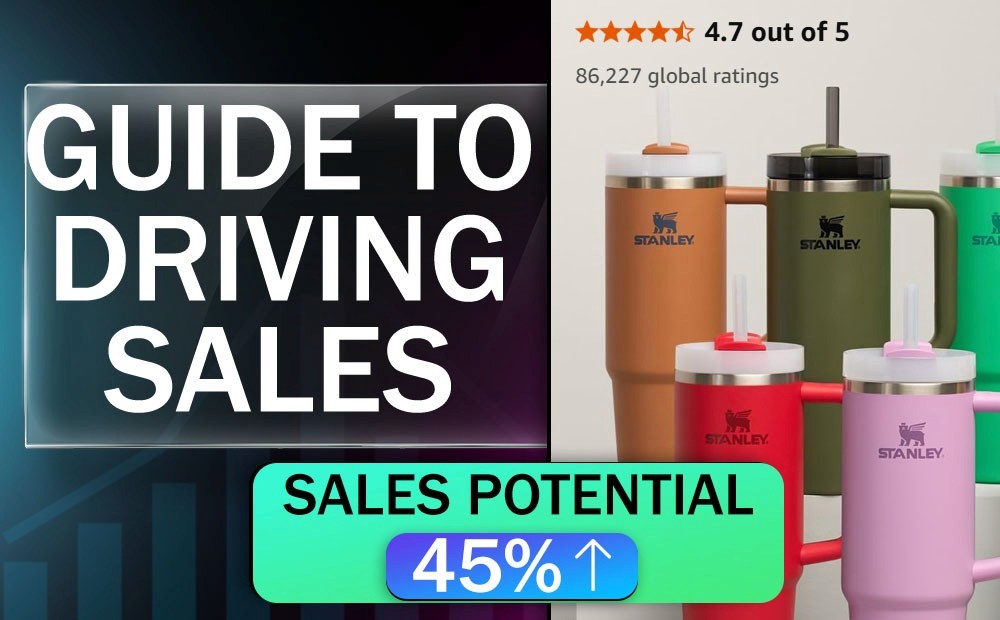
Amazon influencer marketing blends social proof with shopping. Creators recommend products, shoppers click, and purchases happen inside the Amazon store. Done well, it shortens the path from discovery to checkout.
This guide explains how the Amazon Influencer Program works, how brands and creators can collaborate, the rules you must follow, and the simple steps to get measurable results without guesswork.
TL;DR
The Amazon Influencer Program gives creators a branded storefront, a vanity URL, and tools like videos, shoppable photos, idea lists, and Amazon Live to drive sales on Amazon.
Influencers earn commissions on qualifying purchases through tracked links and eligible onsite placements. Rates vary by category and are published by Amazon.
Attribution typically lasts 24 hours after a click, or up to the cart’s expiration if items are added within that window. That session can end sooner if the customer places an order or re-enters Amazon through another Associate’s link.
Disclosures are not optional. Follow FTC Endorsement Guides and Amazon’s required Associate disclosure language on sites and social posts.
Pair authentic, problem-solving content with simple measurement using unique tracking IDs, Associates Central reports, and post-level analytics.
What Amazon Influencer Marketing Is
Amazon influencer marketing means using creator content to send shoppers to Amazon and convert them there. It includes two lanes:
On-Amazon content: Approved creators in the Amazon Influencer Program get a storefront and can publish videos, photos, idea lists, and livestreams that may also surface across Amazon.
Off-Amazon content that points to Amazon: Creators publish on YouTube, Instagram, TikTok, blogs, and podcast show notes/episode descriptions, using Amazon affiliate links built with Amazon’s tools.
Off-Amazon traffic relies on Special Links (tracked links Amazon provides), so sales are credited correctly. On-Amazon placements are tracked through your onsite Store ID when Amazon surfaces your content, and customers click your content and purchase.
How the Amazon Influencer Program Works
The Amazon Influencer Program is an extension of Amazon Associates built for creators. Approved influencers receive:
Customizable storefront: The storefront includes a vanity URL like amazon.com/shop/yourhandle.
Content tools: Product review videos, shoppable photos, idea lists, and Amazon Live livestreams.
Onsite earnings: When Amazon features your content to shoppers already browsing the site and a qualifying purchase results, you can earn at onsite rates in addition to the commissions you earn when you drive traffic.
Compatible linking: You can still link directly to individual product pages using tools like SiteStripe or standard product links.
Commissions vary by product category and program rules. The standard attribution window is 24 hours after a shopper clicks your link. If the shopper adds an item to their cart within that window, you can still earn if they buy before the cart expires, which Amazon notes is usually about 90 days.
Program availability is global in select marketplaces. Amazon’s help page says the Influencer Program is currently available in the U.S., U.K., India, and Canada, and availability can change.
Brand Side vs. Creator Side: Who Benefits
Brands benefit from trusted recommendations that meet shoppers at the point of purchase. Influencer content often answers questions faster than a static product page, accelerating conversion.
Meanwhile, creators benefit from a clear path to earnings on everyday products their audience already buys. A storefront makes curation simple, while reports show which items and formats perform best.
Choosing Your Amazon Revenue Strategy
Comparing the different programs helps you determine whether to focus on onsite earnings through a storefront or traditional commissions by driving external traffic.
Factors | Amazon Influencer Program | Amazon Associates (Traditional Affiliate) | Off-Amazon Brand Deals Linking To Amazon |
Best for | Creators who want an Amazon storefront and onsite visibility | Publishers/bloggers sending traffic to Amazon | Brands seeking bespoke content on external channels |
Where content lives | Storefront, product pages, Amazon Live | Your site/app and social channels | YouTube, Instagram, TikTok, blogs |
How you earn | Commissions on driven sales plus possible onsite earnings | Commissions on qualifying purchases from your Special Links | Creator fee plus affiliate commissions if links are used |
Key tools | Storefront, videos, photos, idea lists, Amazon Live, SiteStripe | SiteStripe, product links, tracking IDs, reports | Creator’s production workflow; affiliate links if included |
Compliance must-haves | FTC disclosures: As an Amazon Associate I earn from qualifying purchases. | FTC disclosures; required Associate identifier on your site | Contracted terms; FTC disclosures; Amazon link rule, if used |
Compliance You Cannot Skip
Transparency builds trust and keeps you within the law. The FTC’s Endorsement Guides require clear, conspicuous disclosure of any material connection when you recommend products.
Simple labels like “ad” or “paid link” work when placed where viewers will see them, not buried in hashtags or profiles. In videos and livestreams, say it out loud and show it on screen. Repeat during long streams.
Amazon’s Operating Agreement requires you to clearly and prominently state "As an Amazon Associate I earn from qualifying purchases" on your Site or any other location where Amazon may authorize your display or use of Program Content.
On social media, your Amazon Associate disclosure must be clearly associated with your account, and you should still use an obvious post-level disclosure anywhere you share affiliate links. Follow platform rules too. When in doubt, make the relationship obvious.
What Content Types Work Best on Amazon
These specific strategies ensure your content remains honest and helpful, which is essential for building trust and driving sales across the platform.
Review and demo videos: Show the product solving a real problem in the first 5 to 10 seconds. Keep shots tight, titles literal, and cover the must-knows: who it is for, key features, sizing, and what you would change.
Idea lists: Curate complete setups, not random picks. Example: “Small Apartment Kitchen Starter Kit” with tools that fit, plus one splurge item.
Shoppable photos: Stage real-life use cases with sharp lighting and clear angles. Add short, specific captions that answer purchase blockers.
Amazon Live: Treat it like a Q&A storefront session. Pin deals in the carousel, respond to chats, and periodically repeat disclosures.
Across formats: Aim for helpful, honest, and specific. Avoid claims you cannot support and never review products you have not used.
Before you film, use Viral Vue to shortlist products worth your time, especially items with Creator Connections opportunities and realistic odds of carousel visibility.
How to Measure Success
Start simple. Use unique tracking IDs for major content series or channels, so reports accurately indicate where sales originate. In Associates Central, watch clicks, ordered items, conversion rate, and earnings for both your standard links and any onsite earnings tracked under the separate onsite Store ID. Look for:
High click, low conversion: Improve title, thumbnail, first 10 seconds, and add missing specs.
Low click, solid conversion: Improve placement, hook, and cover image to earn the click.
Seasonal patterns: Build evergreen lists, then layer promos around retail moments like Prime Day and the holidays.
Amazon’s reporting shows what earned; Viral Vue helps you decide what to review next and where your content is placed. It includes product research (built around revenue/competition signals), an advanced carousel/video placement tracker, and Creator Connections automation to help find/accept campaigns and submit content more efficiently.
Examples
These cases demonstrate the practical application of the program’s tools, showing you exactly how to bridge the gap between product demonstrations and final sales.
A Home Organizer Creator
A mid-tier creator builds an “Entryway Reset” idea list with a shoe bench, slim hangers, a wall hook rail, and a compact umbrella stand. She films a 60-second demo showing before-and-after in small spaces and publishes a matching shoppable photo.
Over two weeks, the video’s conversion rate beats her average because it solves a tight, common problem and links every item shown. She repeats the format for “Under-Sink Essentials” and grows a series that drives steady sales.
A Cookware Brand’s Live Series
A cookware brand engages five creators for a 4-week Amazon Live series leading into a fall sale. Each host runs a 45-minute stream with two recipes that highlight the pan’s nonstick performance and oven safety.
The brand supplies a concise brief, key talking points, and Amazon Attribution links (plus optional promo codes where appropriate). Streams are clipped into short product videos for the detail page. The team sees a lift in detail-page conversion during stream windows and residual sales from the repurposed clips, validating a repeatable playbook for peak events.
Actionable Steps / Checklist
This structured approach helps you maintain legal compliance while using data tracking to identify which product reviews actually generate income.
For creators:
Apply to the Amazon Influencer Program and set your storefront vanity URL.
Create three evergreen idea lists that map to real problems your audience has.
Film five practical review videos with clear titles and honest pros/cons.
Add simple disclosures to templates such as “ad", “paid link", or “affiliate link", plus the required Associate statement on your site.
Set up unique tracking IDs per series and review reports weekly to double down on winners.
Test one Amazon Live. Plan a tight agenda, pin the carousel, and restate disclosures.
For brands:
Define the Amazon moment you want to influence: search, detail page, or event.
Shortlist creators whose audiences match your customers and who already publish product demos.
Provide a clear brief, sample talking points, and must-show shots. Avoid scripts that kill authenticity.
Use Amazon Attribution links (and promo codes where appropriate) per creator and align on reporting cadence.
Repurpose creator videos on product pages where eligible and refresh thumbnails to maintain CTR.
Glossary
These industry-specific terms enable you to navigate the platform's technical requirements and accurately track your various streams of commission.
Amazon Influencer Program: Amazon’s creator program that offers a storefront, content tools, and commissions on qualifying purchases.
Storefront: A creator’s curated page on Amazon with a vanity URL that hosts videos, idea lists, and shoppable content.
SiteStripe: Amazon’s built-in tool that lets Associates create tracked product links while browsing Amazon.
Onsite Earnings: Commissions are paid when Amazon surfaces your eligible content to shoppers already on Amazon, and a qualifying purchase follows.
Amazon Live: Real-time shopping livestreams hosted on Amazon; eligibility depends on account type (Influencers can go live, and registered brand owners in available countries can also go live).
Special Links: Tracked affiliate links Amazon provides to attribute clicks and sales to an Associate or Influencer.
Commission Window: The time Amazon attributes a sale after a click, typically 24 hours, extendable if items are added to the cart within that window.
Disclosure: A clear statement that you have a material connection to a brand or will earn commission from links.
FAQ
Q: Do I need a huge following to get into the Amazon Influencer Program?
A: Amazon reviews social accounts for eligibility and does not publish exact thresholds. Strong, authentic content and real engagement help. If declined, improve your channel and try again.
Q: How long do I earn after someone clicks my link?
A: Typically 24 hours after the click. If the shopper adds an item to the cart within that window, you can still earn if they buy before the cart expires, which Amazon says is usually about 90 days.
Q: Can I link to a single product instead of my storefront?
A: Yes. Use SiteStripe or product links to point directly to an item page and still earn commissions on qualifying purchases.
Q: What disclosures do I need?
A: Use clear, conspicuous disclosures like “ad” or “paid link” with each post and include Amazon’s required Associate statement on your site. In videos and livestreams, show and say the disclosure.
Q: Is the program available outside the U.S.?
A: Amazon lists availability in select marketplaces, including the U.S., U.K., India, and Canada. Check Amazon’s current help page, since availability can change.
Final Thoughts
Amazon influencer marketing works when it is useful, transparent, and easy to shop. Focus on solving concrete problems with clear content, keep disclosures front and center, and measure what moves the needle. Do that consistently, and you will build trust and sales at the same time.
If you want a faster path to better product picks, clearer placement insights, and less Creator Connections admin, Viral Vue is designed to help Amazon Influencers work smarter, without changing how you create.
Stop Guessing What to Post Next
Join TikTok Affiliates turning views into consistent commissions.